


What are the common defects in China tipping paper production?
Hey there! As a supplier of China tipping paper, I've been in this industry for quite a while, and I've seen my fair share of ups and downs. In this blog, I wanna chat about the common defects in China tipping paper production.
Ink Adhesion Issues
One of the most frequent problems we come across is ink adhesion. Sometimes, the ink just doesn't stick well to the tipping paper. This can happen for a few reasons. First off, the surface of the paper might not be properly treated. If the paper isn't cleaned or pre - treated right, the ink won't bond effectively.
Another factor is the quality of the ink itself. Low - quality inks may not have the right chemical properties to adhere to the paper. And let's not forget about the printing process. If the temperature, pressure, or speed during printing isn't set correctly, it can also lead to poor ink adhesion.
When the ink doesn't adhere properly, it can rub off easily. This is a huge issue for cigarette manufacturers because it affects the overall appearance of the cigarettes. A customer picking up a pack of cigarettes with smudged or peeling ink on the tipping paper is likely to have a negative impression.
Color Variation
Color consistency is crucial in tipping paper production. But achieving it is often easier said than done. There can be significant color variations between different batches of tipping paper.
The raw materials used in the paper and ink production play a big role here. Even small differences in the quality or composition of the pulp, dyes, or pigments can lead to noticeable color changes. For example, if the pulp comes from different sources, it might have slightly different properties that affect how the ink is absorbed and the final color.
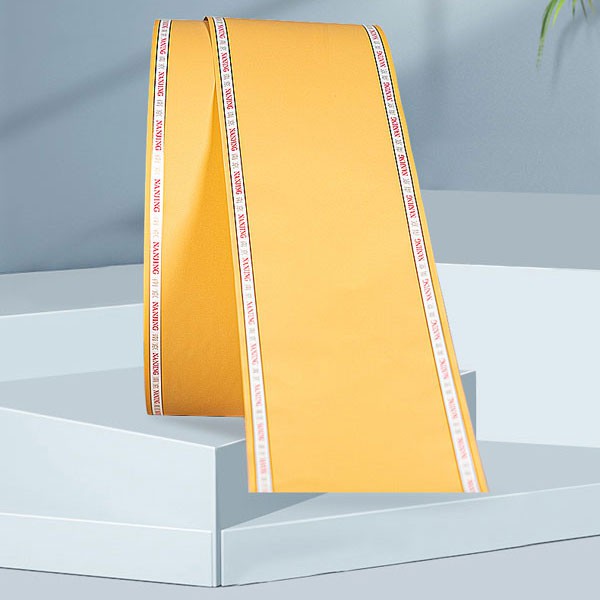
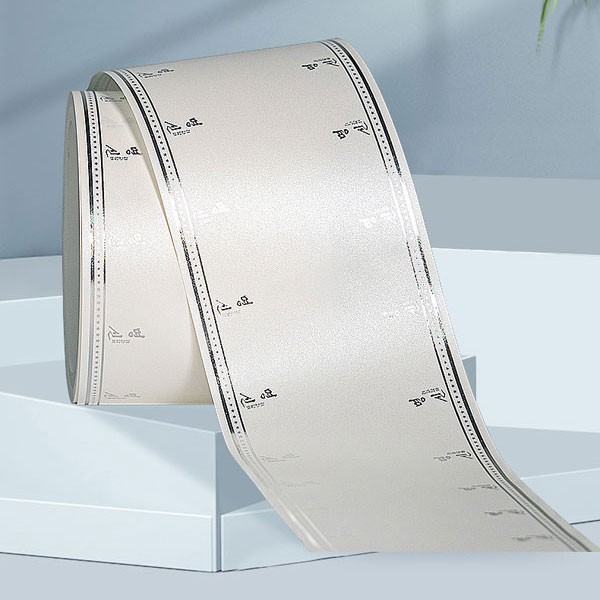
The printing equipment also has an impact. Over time, the printing machines can wear out, and the color calibration may get off. Different operators might also have slightly different settings and techniques, which can contribute to color variations.
Color variation is a major headache for cigarette brands. They have strict color standards for their packaging, and any deviation can lead to product rejection. It can also cause problems in brand recognition, as consumers expect a consistent look for their favorite cigarette brands.
Surface Roughness
The surface of tipping paper should be smooth. However, sometimes we end up with papers that are too rough. This can be due to issues in the paper - making process.
During the papermaking, if the refining of the pulp isn't done properly, the fibers may not be evenly distributed, resulting in a rough surface. Also, the drying process can affect the surface texture. If the paper is dried too quickly or unevenly, it can lead to a rough finish.
A rough surface isn't just a cosmetic issue. It can cause problems during the cigarette - making process. When the tipping paper is wrapped around the filter, a rough surface can make it difficult to achieve a tight and smooth seal. It can also affect the feel of the cigarette in the smoker's hand, which is an important part of the overall smoking experience.
Hole and Pinhole Defects
Holes and pinholes in tipping paper are another common defect. These can occur at various stages of production.
In the papermaking process, if there are impurities in the pulp, they can create weak spots that turn into holes during the drying or pressing stages. The equipment used in the production can also be a culprit. For example, if the rollers have any damage or debris on them, they can cause holes in the paper as it passes through.
Pinholes are especially problematic because they can affect the ventilation of the cigarette. Cigarette manufacturers often design the tipping paper with specific ventilation patterns to control the amount of air that enters the cigarette during smoking. Holes and pinholes can disrupt these patterns, leading to inconsistent smoking experiences for the consumers.
Moisture Content
Maintaining the right moisture content in tipping paper is essential. If the paper is too dry, it becomes brittle and can easily crack during the cigarette - making process. On the other hand, if it's too moist, it can be difficult to handle and may develop mold or mildew over time.
The storage conditions can have a big impact on the moisture content. If the paper is stored in a humid environment, it will absorb moisture from the air. And during transportation, changes in temperature and humidity can also cause fluctuations in the moisture level.
Proper moisture control is necessary for ensuring the quality and performance of the tipping paper. It affects the paper's flexibility, strength, and how well it can be processed on the cigarette - making machines.
Solutions and Improvements
Now that we've talked about the common defects, let's discuss some ways to address them.
For ink adhesion issues, we need to focus on both the raw materials and the printing process. Using high - quality inks and properly treating the paper surface before printing can significantly improve adhesion. Regular maintenance and calibration of the printing equipment are also essential to ensure optimal printing conditions.
To tackle color variation, we need to have strict quality control measures for the raw materials. Source the pulp, dyes, and pigments from reliable suppliers and test them thoroughly before use. Regularly calibrate the printing machines and provide proper training to the operators to ensure consistent color output.
For surface roughness, improving the pulp refining process and optimizing the drying conditions can help. Investing in advanced papermaking equipment can also ensure a more uniform and smooth surface.
To prevent hole and pinhole defects, we need to improve the quality control of the raw materials and regularly maintain the production equipment. Inspecting the paper at multiple stages of production can help catch any potential issues early.
Regarding moisture content, we should store the tipping paper in a controlled environment with stable temperature and humidity levels. Using proper packaging materials can also help protect the paper from moisture during transportation.
Conclusion
As a supplier of China tipping paper, I know how important it is to produce high - quality products. The defects mentioned above are challenges that we face regularly, but with the right approach, we can overcome them.
We're constantly working on improving our production processes, investing in better equipment, and strict quality control. If you're in the market for high - quality tipping paper, we'd love to have a chat with you. Whether you're a small - scale cigarette manufacturer or a large brand, we can provide you with tipping paper that meets your specific requirements.
Check out some of our products: Tipping Paper 3, Tipping Paper 4, and Tipping Paper 2. If you're interested in learning more or discussing a potential purchase, don't hesitate to reach out. We're here to help you get the best tipping paper solutions for your business.
References
- "Handbook of Tipping Paper Production", Publisher: Paper Industry Press
- "Quality Control in Tobacco Packaging Materials", Journal of Tobacco Packaging Science, Vol. 15, Issue 3
